
GlobalBoost
Before you start

Things you need to know.

BSTY gives you full control of your money. That freedom comes with responsibility. Read these eight points before you buy, mine or send your first coin.

01

Your wallet, your responsibility

There's no bank and no "forgot password" button. Whoever holds your private keys controls your coins. Encrypt your wallet with a strong passphrase, keep an offline backup, and store most of your BSTY in a wallet you control rather than on an exchange. See the wallets guide.


02

The price can move fast

BSTY trades on small markets, so its price can jump or drop sharply in hours. Only put in what you can afford to lose, and never treat it as guaranteed savings. Watch the live charts before you trade.

03

Payments can't be undone

Once a BSTY transaction is confirmed, no one can reverse it — not a miner, not an exchange, not a developer. Double-check every address and amount, and only pay people you trust or who have a good reputation.

04

It's public, not anonymous

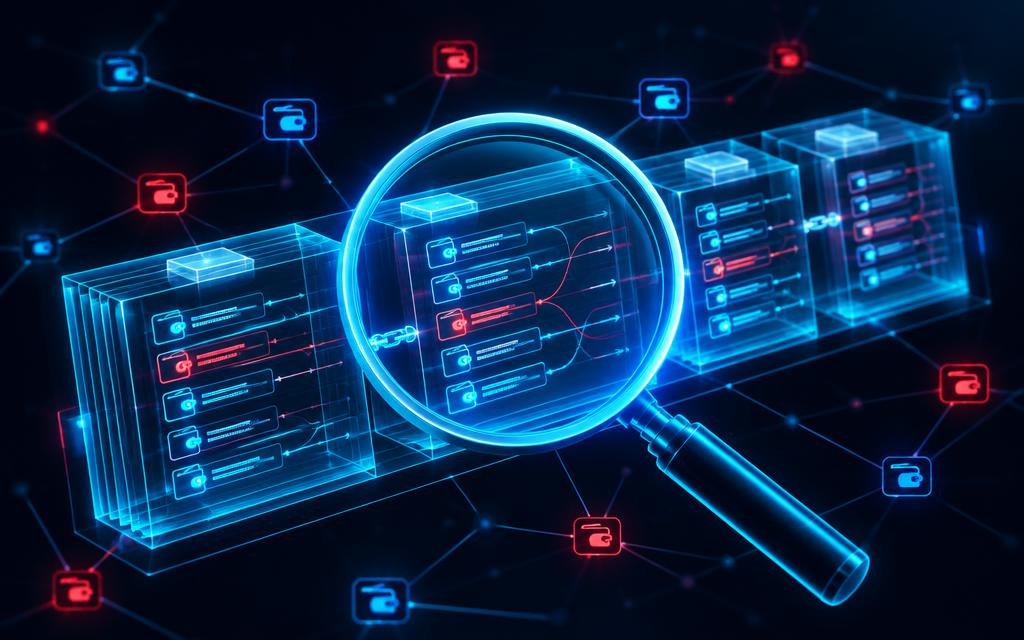
Every transaction is recorded forever on a public ledger that anyone can read in the block explorer. Your name isn't on it, but addresses can be linked to you. Use a new receiving address for each payment to protect your privacy.

05

Wait for confirmations

A payment isn't final the moment it's sent. A new block arrives about every 10 minutes, and each one adds a confirmation. For small amounts one is usually fine; for large amounts, wait for six or more.

06

Scammers target crypto users

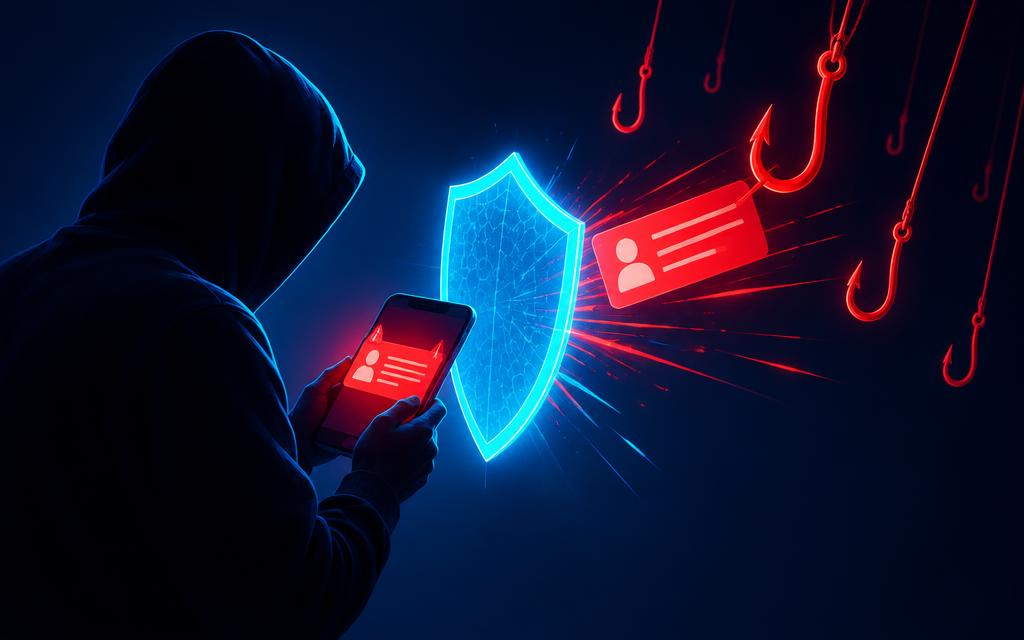
GlobalBoost has no leader, no support desk that messages you and no official giveaways. Anyone asking for your keys, seed or "a small fee to unlock coins" is a scammer. Download software only from official links. Read how to avoid scams.

07

It's still new technology

Cryptocurrency is young, and software can have bugs. Keep your wallet updated from the official releases, and follow the news for important upgrades.

08

Laws and taxes still apply

BSTY isn't an official currency, but many countries tax crypto gains and some restrict its use. It's up to you to learn and follow the rules where you live. When in doubt, ask a local tax adviser.